Monday, 8 February 2021

Early Detection of Cancer Bladder

Just like cancer on any other part of the body, when the lining cells of the bladder grow in  a disordered, uncontrolled way to form a mass, it is called bladder cancer. Bladder cancer can be successfully managed when detected early. Certain symptoms may be suggestive of bladder cancer like blood in the urine which may or may not be associated with pain. The urine will appear pink, red, or brownish in color depending upon the amount of blood discharge. Other symptoms that have to be noticed are urinary irritation, increased urge to urinate, pain or  burning sensation while urinating, or sometimes even difficulty passing urine.

In case you experience any such symptoms, it is important to have a detailed medical check up including urine analysis, urine cytology, cystoscopy, imaging tests like ultrasound, CT scan, MRI scan etc. as soon as possible. Treatment for bladder cancer depends on the stage of cancer, type and the overall health of the individual. Some options are:

  •     Surgical removal of the tumor cells
  •     Chemotherapy and Radiation therapy  to destroy cancer cells
  •     Immunotherapy to boost the body’s ability to fight cancer

Later stages of bladder cancer may present greater challenges for the patient as well as the medical team. Thus, it is important to diagnose it at an early stage. It should also be remembered that bladder cancer has the risk of recurrence and should always be followed up at regular intervals to prevent remission.


Reviewed By: Dr Mahendra Jain
Mail Us: urologistbangalore@gmail.com 

Friday, 18 December 2020

Stress Urinary Incontinence (SUI)

 What is Stress Urinary Incontinence?

Sudden uncontrollable leak of urine with sudden increase in intra-abdominal pressure like coughing and sneezing.

A patient who complains of an involuntary or sudden passing of urine is said to be suffering from Urinary Incontinence. The sudden passing of urine could be due to any effort generated by sudden forceful bodily actions like coughing, sneezing, exercising and laughing, and is termed as Stress Urinary Incontinence. This disorder is the most common urinary incontinence in women.

What are the main causes of Stress Urinary Incontinence?

The main cause is weakness in pelvic floor muscles that support the pelvic organs. The factors primarily causing this condition could be due to various reasons or habits formed over a period of time, such as:

  •     Increasing Age
  •     Obesity
  •     Prostate surgery
  •     Smoking, as it causes cough
  •     Prolapse
  •     Hormonal deficiencies
  •     Constipation
  •     Pregnancy

How is Stress Urinary Incontinence treated?

The treatment that you need to undergo would depend on the causes of your problem. Your doctor will plan your treatment depending on the level or stage of your disease. You may be required to undergo a combination of lifestyle alterations and medication.

  1. Behavioural Therapy

    By bringing small changes in your lifestyle, you may be able to reduce the stress incontinence episodes. Your doctor may advise you the following:

  • Weight loss, if you are over weight
  • Proper and sufficient Fluid Intake
  • Physiotherapy - Pelvic Floor Exercises
  • Cut back on smoking
  • Reduce caffeine intake
    2.  Medication

    Though there still aren’t many options when it comes to medicines, many doctors recommend dulaxitin, however it must be kept in mind that no medicine should be taken without your doctor’s prescription/consultation.

    3. Surgery

 A severe case of stress incontinence that interferes with your everyday activities may be treated through surgery. A qualified surgeon would be able to explain to you the available options.

If you or someone you know is suffering from Stress Urinary Incontinence, immediate medical help must be sought so that timely diagnoses can be made and the best solution can be worked upon.


Reviewed By: Dr Mahendra Jain
Mail Us: urologistbangalore@gmail.com 

Friday, 26 June 2020

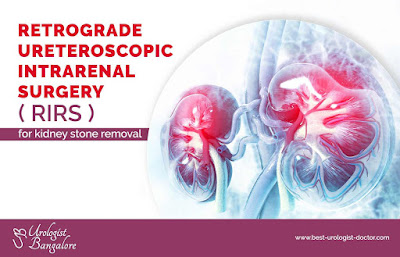
Retrograde ureteroscopic Intrarenal Surgery ( RIRS ) for kidney stone removal

Kidney stones are hard deposits of waste products of the human body like uric acid or minerals like calcium. Usually, they are very small and naturally flush out of the body, but some grow bigger as the minerals accumulate, and if they block the urinary tract, they can be very painful. They may then need to be surgically removed. 

 RIRS

Surgery would be advised when the stone is too large to flush out by itself; it is blocking the urine flow out of the kidney or is extremely painful and is causing urinary infections.

Retrograde ureteroscopic Intrarenal Surgery (RIRS) is one of the methods used these days. With advances in technology, RIRS has become a safe and efficient option. RIRS can be used as primary treatment for patients with stones smaller than 2 cm. It is also used for those with obesity; muscular and skeletal deformities and bleeding disorders.

This procedure, done under general anaesthesia, involves inserting a flexible endoscope called a ureteroscope through the urinary opening into the bladder, through the ureter into the kidney. This is ‘Retrograde’ as it moves up the urinary system and ‘Intrarenal’ as it enters the kidney. 

The stones are then viewed through the scope and either grabbed with an extremely tiny forcep, also inserted the same way, and then gently pulled out; or, vapourised using a laser probe.
RIRS should be performed by an endourologist, a urologist specialising in the diagnosis and treatment of diseases of the kidneys, ureter and bladder.

 RIRS

RIRS can be considered much superior to others, with its less complicated methods; causes fewer medical complications; has a good stone-free rate and the patient can leave the hospital in a day and restart normal life within two or three days.


Reviewed By: Dr Mahendra Jain
Mail Us: urologistbangalore@gmail.com 

Wednesday, 19 February 2020

Radical Perineal prostatectomy: What You Should Know?

Radical perineal prostatectomy is a surgical procedure performed to completely remove the prostate gland through a small incision in the perineum, the area between the anus and the scrotum. This procedure is typically carried out on men with prostate cancer that has not spread and involved other organs of the body. 


Radical perineal prostatectomy is rarely used than other surgery such as the open radical retropubic prostatectomy or the robot-assisted laparoscopic radical retropubic prostatectomy. Just like the retropubic approach, a radical perineal prostatectomy achieves the same rate of cure when the cancer is small and confined to the prostate. However, less blood is lost and provides quick recovery. One downside to the perineal approach is an increased risk of fecal incontinence.

Advantages of radical perineal prostatectomy
RPP provides patients with several benefits, including:
  •     Shorter operating time 
  •     Short hospital stay 
  •     Low blood loss
  •     Equally low rate of surgical complications
  •     Short recovery period
  •     Lower rates of urinary incontinence
  •     Preservation of erectile function

Who is not suitable for radical perineal prostatectomy?
Radical perineal prostatectomy is not suitable for men with conditions that limit correct positioning during the procedure. These conditions are:
  •     Ankylosis,
  •     Unstable artificial hip replacement, 
  •     Severe arthritis of the joints in the pelvis

Having very large prostates is also a technical challenge. However, the size can be reduced to aid surgical removal by hormone therapy before surgery.  

Lympg node sampling can not be done in radical perineal prostatectomy, which can be considered as a drawback of this procedure.


A discussion with expert professionals can help you to choose the right method. Factors, such as a man’s life expectancy and other comorbidities, are also taken into account while considering the procedure


Reviewed By: Dr Mahendra Jain
Mail Us: urologistbangalore@gmail.com 

Wednesday, 11 December 2019

Renal calculus/ kidney stones

Kidney stones are deposits of crystals of oxallates, calcium or uric acid that form inside the kidneys. It is also known as a renal calculus. Kidney stones could be either small or big. These are classified based on their location in the kidney, ureter, or bladder. Kidney stones are mainly caused due to less intake of fluids and high dietary intake of animal protein, sodium, refined sugars, and related products.

Kidney Stone

Kidney stones can be quite painful, but usually, the stones will not cause permanent damage if identified and treated on time. Small stones can be treated by certain medications and drinking a lot of water will pass a kidney stone. For larger stones , doctors would suggest surgery.

Medical care
Treatment for kidney stones depends on the size of the stone and the cause of it. Medical management is mainly by increasing water intake, dietary restrictions of animal protein and food rich  in calcium and oxallates , reduction of carbonated soft drinks.

The various procedures to break down the kidney stone would be as follows:

Extracorporeal Shock Wave Lithotripsy (ESWL) - This is one of the most common treatments recommended by the doctor to break kidney stones. Shockwaves are used to break the kidney stone so that it can easily pass through the urinary tract. It is a opd procedure. No anaesthesia is required for the procedure.  All the people will be able to return to their routine activities on the same day.

Percutaneous Nephrolithotomy (PCNL) - This is a procedure where a tiny tube known as nephrostomy is placed trough the kidney from the small incisions made from the back. The kidney stones are removed with the help of other instruments passed from the nephrostomy tube. Doctors suggest PCNL for large, complex  large stones or for patients who have the presence of nephrostomy or unique anatomic problems in their urinary tract .

Ureterorenoscopic Lithotripsy - URS or ureteroscopy is a versatile form of stone therapy. Doctors use special laser fibers, or machanical lithotripter which can be deployed through the ureteroscope to break the stone. If there are any stone fragments, then the doctor would use special baskets that will be deployed through the ureteroscope to retrieve the stones. URS is usually used to remove the stones from the ureter, especially the lower ureter.

Retrograde Intrarenal Surgery with Holmium Laser (RIRS) - without any incisions, doctors could perform the surgery inside the kidney. Doctors would put the RIRS instruments through the body’s natural opening, through the bladder and the ureter, and finally into the kidney. Then stones are fragmented by LASER . RIRS can be used to remove kidney stones, kidney tumors, and strictures.

Open nephro/pyelolithotomy - this was one of the procedures to remove the stones within the renal pelvis. When ESWL and PCNL are not feasible, like in very large stones doctors used to perform pyelolithotomy to break the stones.


For complex or large stones, doctors would suggest URS, ESWL, and PCNL. At times certain stones would require a combination of two or more treatment modalities.

https://www.best-urologist-doctor.com/contact-us.html

Reviewed By: Dr Mahendra Jain
Mail Us: urologistbangalore@gmail.com 

Thursday, 14 November 2019

What can I expect after a laser prostate surgery?

Before asking what to expect after, one should know what the surgery is. 

The doctor inserts a tube through the patient's urinary tube (urethra), the prostrate surrounds the urethra. A laser is passed through this tube, to deliver concentrated light energy to generate precise and intense heat. It is this intense heat that shrinks and removes the excess tissue that is preventing the flow of urine. This is called Laser Transurethral Resection of the Prostate or LASER TURP.


What are the benefits?
1. It is a blood less surgery. That is an immediate advantage over conventional surgery. Cardiac patients who are on blood thinners like Ecosprin and clopidogrel can also undergo it safely.
2. LASER TURP is done with normal saline. Thus problems of excessive water absorption and complications of normal TURP is completely avoided.
3. Foleys catheter can be removed a day earlier than conventional TURP and thus less hospital stay.
4. Regrowth of the prostate tissue is very minimal with Laser TURP and thus low recurrence rates.
5. Post-surgery irritation in the prostate area is more in LASER TURP but it is only for short time.
The surgery may be expensive, but, it’s worth the obvious advantages.

Prostate

What to expect afterwards?
1. Rarely Because of the swelling that may be block the urine flow, the patient may have to wear an urinary catheter for few days
2. There may be blood in the urine. This, however, is normal for the first few   days only
3. The patient may have irritating urinary symptoms like a need to urinate frequently for some time  only 
4. Urge Incontinence or difficulty holding urine.  This, however, improves in few weeks
5. The patient should avoid lifting weights for month
6. The doctor would also recommend against the patient engaging in sexual activities, at least, for several weeks.

https://www.best-urologist-doctor.com/contact-us.html

Reviewed By: Dr Mahendra Jain
Visit Us: best-urologist-doctor.com
Mail Us: urologistbangalore@gmail.com
Book an Appointment: best-urologist-doctor.com/online-appointment 

Thursday, 31 October 2019

Link Between Varicoceles and Male Infertility

Infertility in men is a result of multiple reasons such as endocrine diseases, infections, testicular tumor or damage, congenital causes, seminal abnormality, varicocele, and many unexplained factors. Among this varicocele is considered the most common correctable cause of male infertility. However,   varicocele doesn't require treatment in all men  and for some men with varicoceles can father children, even without intervention. Here, in this article, we are discussing the link between varicocele and male infertility.

Male Infertility


 What are varicoceles?

 A varicocele occurs when one or more veins in the scrotum bulge, allowing blood to pool inside the scrotum. These veins are known as pampiniform plexus. This is similar to varicose veins that typically seen in the legs. In some men, varicoceles are identified as a bag of worms.

 Most often, men with varicoceles have no signs or symptoms. However, some may experience discomfort  or pain in the testes when they stand for long  or sit for an extended period. It is common among people who work standing like guards, post man, police man, military personals, and sales people. It is also very common in  men who work hard like machine tool workers, athletes, sportsmen, and men who work in hot areas like smithy foundry bakery and cooks.

 Varicoceles in men is quite common and usually doesn't require treatment. How ever if they cause pain in  the testes or interfere with fertility then treatment is required.

How are varicoceles diagnosed?
Varicoceles are often diagnosed through self-exam of the scrotum. The patient will be asked to stand for a while so that the urologist can check the scrotum, varicocele is felt as ‘bag of worms’ just above the testes. Cough impulse can be felt in these veins.

A urologist may suggest for a scrotal ultrasound Doppler test. This is to get an exact picture of your scrotum. An ultrasound reveals the images of those veins that are wider than 3 millimeters with blood flowing the apposit way. The ultrasound can also show the size of the testicles. These are useful in deciding the severity and the treatments needed.

How can varicoceles affect fertility?
  • Varicoceles can occur in 15% of all men, and 40% of men seeking treatment for infertility have the condition. Many men often don't know that they have varicoceles until they approach for infertility treatment.
  • A varicocele can contribute to infertility as the pooled blood caused by the varicocele raises the temperature in the scrotum and decreases sperm production and affects the quality of sperms. This high temperature in the testicles can damage the sperm and cause decreased sperm count, decreased motility of sperm, and an increase in the number of deformed sperms.
  • Varicocele's effect on testicles over time will  reduce fertility. Men with prolonged cases of varicoceles may experience a condition known as testicular atrophy. A condition in which the testicles shrink and stop effectively producing healthy sperms.

What are the treatments for varicocele?

Most often, varicoceles don't require treatment. Treatment is offered when varicoceles cause
  • Fertility problems
  • Pain
  • Abnormal semen analysis
After a thorough examination, your doctor will decide the treatment methods to reverse your varicocele. Your doctor may suggest both surgical procedures and nonsurgical treatment options. Microscopic Varicocelectomy is the surgical procedure that is recommended to treat varicose. That is the “Gold slandered” of varicocele treatment. This is a surgical procedure that involves tying off the veins that are causing the varicocele. Laparoscopic Varicocelectomy, minimally invasive option, and varicocele embolization are the other types of surgical procedures. All these methods can alleviate the varicocele and lead to improvements in sperm count and quality. Earlier the treatment better is  the recovery of the sperm quality. Thus it is prudent to get it treated atb the earliest.


If you are concerned about varicoceles or suspect that the reason behind your infertility issue is varicoceles feel free to contact Urology Hospital, Bangalore. Our expert Urologists help you to detect the severity of your varicoceles more precisely and determine the appropriate treatments.

Contact Us

Reviewed By: Dr Mahendra Jain
Visit Us: best-urologist-doctor.com
Mail Us: urologistbangalore@gmail.com
Book an Appointment: best-urologist-doctor.com/online-appointment 

Friday, 20 September 2019

Bladder Cancer: Causes, Risks And Prevention

In India, 2.25 percent of people are diagnosed with urinary bladder cancer every year, which is quite alarming.  The rate is rising each year and it’s necessary for people to know the causes and stay aware.

Urinary bladder functions as a storehouse for collecting urine produced by the kidneys. This organ plays an important role in the human body and maintains sound conditions.  Bladder Cancer is commonly identified in people around the age of 60. There are cases when similar conditions have been noted to appear among the younger age groups as well.

What is Bladder Cancer?

Bladder Cancer, or cancer of the bladder, is formed in the tissues of the bladder. This is a state of abnormal multiplication of cells in the bladder as a result of mutation. In some cases, the tumor spreads into the bladder muscle. The most common symptom of bladder cancer is blood in your urine, which is usually painless.
urinary bladder cancer bangalore


Smoking and chewing tobacco, inhaling chemically contaminated air or getting exposed to chemicals in the workplace, previous radiation exposure, certain drugs that have side effects, dehydration, chronic irritation of the lining of the bladder, etc, are the most commonly recognized reasons for bladder cancer.

Major symptoms:


Blood in the urine, pain and burning urination, feeling as if you need to urinate right away, feeling the need to urinate without result, trouble urinating and weak urine stream, back pain, etc, are the common symptoms of bladder cancer.

These symptoms are not sure signs of bladder cancer. Infections, benign tumors, bladder stones or other problems also can cause these symptoms. Anyone with these symptoms should see a doctor so that the doctor can diagnose and treat any problem as early as possible. If there is blood in the urine, then one should be careful and should not neglect it.

Prevention

The primary factor that everyone should understand is that there is no sure way to prevent bladder cancer. Lack of awareness about the disease is the major problem associated with it. Providing proper consciousness about the risks is the primary way of reducing the intensity of the disease and its aftermaths.

There are also some other methods that we can follow which could help lower the depth of cancer.

They are:

Smoking: Half among the bladder cancer cases reported are the aftereffects of smoking. Quit smoking and you will save your health. If you find it hard, approach any de-addiction centers.

Limit the exposure to chemicals: Workers in industries who use certain organic chemicals have a higher risk of bladder cancer. Necessary safety precautions should be provided in workplaces, where these chemicals are commonly used, including rubber, leather, printing materials, hair dyes, textiles, and paint industries.

Drink Fluids: Drinking plenty of fluids is the best way of preventing Bladder cancer. It is proven that drinking plenty of water lowers the risk of the disease.

Consuming Fruits and Vegetables: Some studies have suggested that a diet high in fruits and vegetables might help protect against bladder cancer. Eating a healthy diet has been shown to have many benefits, including lowering the risk of some other types of cancer as well.


After the detection of the disease and treatments, living as a survivor requires very good care. Proper follow ups, diets, and tests suggested by the doctor, conducting necessary tests, etc are very important.
https://www.best-urologist-doctor.com/contact-us.html
 Reviewed By: Dr Mahendra Jain
Visit Us: best-urologist-doctor.com
Mail Us: urologistbangalore@gmail.com
Book an Appointment: best-urologist-doctor.com/online-appointment 

Thursday, 21 March 2019

Is RIRS A Good Option For Removing Kidney Stones?

The treatment of kidney stones depends on its size. Small kidney stones can be passed away naturally through the urinary tract without any surgery if proper instructions are followed but larger stones can only be removed through surgery.

Gone are the days of open surgery. Today, minimally invasive procedures are conducted by experts to reduce the risks from surgery. One such advanced procedure is RIRS. RIRS (retrograde intrarenal surgery) is the procedure in which the surgery of kidney is done with the help of a viewing tool called fiberoptic endoscope.


How the surgery is conducted?

An endoscope is passed inside the kidney through the body’s natural openings. The scope is passed through the urethra into the bladder and then it is moved towards the targeted location. As the stone in the kidney is located through the camera, the stones are destroyed or crushed with the help of laser rays. The RIRS surgery is even performed to destroy kidney tumours.

Who are the right candidates for RIRS?

Now the question is whether RIRS surgery for kidney stone a good option or not. RIRS works great where it is difficult to treat through other options. The best candidates may include:

  • Children with stones in their kidney
  • People with tumours in the inner lining of the kidney.
  • Patients with bleeding disorders.
  • Patients with strictures
  • Obese patients
  •  It’s done for not too big stone. 

Why RIRS is a better option for removing kidney stones?

  • Being a non-invasive process, the risk factors are quite less.
  • Also, minimal bleeding is associated with the surgery, therefore, no nearby tissues get damaged.
  • The recovery period is quite fast.
  • When no other treatments work for complicated cases, RIRS provides successful results.

If you are looking for a urologist who provides the best kidney stone treatment in India, Dr. Mahendra Jain is the one for you. He is one of India's leading urologists who has years of experience in this field. Starting from laser treatments to minimally invasive surgery, he and his team offer a wide range of urological treatments at an affordable rate.

So stop wasting time! Book appointment 


Mail Us: urologistbangalore@gmail.com 

Wednesday, 31 October 2018

Undescended testes in children: Management

An undescended testes condition also known as “cryptorchidism” or “empty scrotum” is the most common genital pathology encountered in paediatrics. An undescended testis (UDT) is normally a congenital condition in which one (unilateral) or both of a baby's testicles (bilateral) have not moved into the scrotal sac. About 1-2 percent of male infants are affected worldwide. In about 20 percent of affected boys, an undescended testis  will descend on its own within the child’s first six months of life. The outlook for children with a UDT is very good and your child just requires prompt treatment and plenty of reassurance.


What causes undescended testes?


Before a baby boy is born, the testes in a male foetus are formed inside the abdomen. The Trans-abdominal descent of the testes involves the differential growth of vertebrae and the pelvis as the testes move down the groin through the inguinal canal and into the scrotum during the third trimester, usually happens in the ninth month of pregnancy. This descent is facilitated by the growth of a foetal ligament  the gubernaculum - which connects the testis  to the bottom of the scrotum. A normal hypothalamic-pituitary-gonadal (HPG) axis is an important requirement for testicular descent. 

A baby with UDT will have one or both  of their testes located in the path of the descent in the  groin or abdomen instead of the scrotum.

The two types of UDT:


Congenital undescended testes

In babies born early, the testes may not have had time to move down into the scrotum by the time the baby is born.

The conversion of testosterone to dihydrotestosterone (DHT) is essential for the continued migration of testes and Intra-abdominal pressure also plays a role in testicular descent. The conditions associated with decreased pressure, such as cloacal exstrophy a birth defect where abdominal organs are exposed, Prune belly syndrome  and gastroschisis  where the abdominal contents protrude through the separation in the abdominal wall, are associated with an increased risk of undescended testes.

Babies born with Klinefelter’s syndrome, spina bifida or Down syndrome are more likely to have undescended testes.

Retractile testes (hypermobile testes) - the muscle attached to the testes (cremasteric muscle) pulls the testes up and that causes them to move back into inguinal canal from the scrotum to the groin. If the testes can be moved back down to the scrotal sac and stay there, then no further treatment is required. However, this condition need to be observed over a period of time.


What are possible complications of UDT in children?


Undescended testes can cause a range of health problems later in life:

Infertility: This is the most common complication of UDT when both testes don’t descend. Fixing the problem between six and 12 months of age can improve fertility later in life.

http://www.best-urologist-doctor.com/pediatric-urology-undescended-testis.html

The Risk for testicular cancer: This risk of testicular cancer increases greatly by age 30 - 40.  The risk is up to ten times greater than in the general male  population.

Inguinal hernia: Undescended testes can widen and weaken the inguinal canal allowing the development of inguinal hernia.

Testicular torsion: This is a painful twisting of the testes on its spermatic cord that can cut off blood supply to the testes. The testicle may become damaged beyond repair without prompt medical attention and have to be removed.

Emotional stress: UDT increases poor self-image and psychological vulnerability.

Treatment:


There are two options for treatment of undescended testes:

Hormone injections: Hormones that stimulate testosterone production is used to make the child’s testicle to descend. According to recent research studies, this treatment method has only about a 10 percent success rate. It’s not as effective as surgery as the testicles may reascend, i.e., move back out of the scrotum.

Hormone injections work best if the testes are already very close to the scrotum. Some testicles may descend only part of the way or temporarily, when a child is treated with hormones. But this may still be beneficial, because the testes may descend to a position that is easier to treat with surgery.

Surgical treatment: If his testicle hasn’t descended before age 1year then testes may need  to be surgically brought down in to the scrotum. This surgery is called Orchidopexy. The surgery is usually done as a short stay procedure and recovery typically takes about one week. The surgeon will make a small incision in his groin to allow his testicle to descend to a proper position. The spermatic cord that connects testis to the scrotum is released and lengthened and gently brought to the bottom of the scrotum and fixed with out any tension to the chord.  Successful surgical placement of the testes in the scrotum requires sufficient mobilisation of the testes and spermatic vessels, fixation of the testes in a dependent portion of the scrotum and ligation of the associated hernia sac.

Dr. Mahendra Jain, Bangalore is one of the best urology specialists in India, having practiced the medical specialization for so many years. Dr. Jain performs around 700 surgeries a year. He is specialized in Endourology, Uro-oncology, Reconstructive urology, LASER Surgery for prostate, renal transplant, undescended testis orchiopexy Bangalore, Flexible uretereoscopy with Laser for RIRS and Penile prosthesis for impotency.

contact us

Visit@ www.best-urologist-doctor.com
Mail us: mahijain@yahoo.com
Book appointment: www.best-urologist-doctor.com/online-appointment.html

Tuesday, 23 October 2018

Are you suffering from Frequent Urination?

Frequent urination is passing of urine often than usual. Usually day frequency of more 8 times is taken as abnormal. Increased Frequency of urination is either because of increased production of urine or increased voiding of same quantity of urine.


Causes of frequent urination:

  • Increased consumption of liquids
  • Urinary tract infection
  • Anxiety
  • Enlarged Prostate
  • Over active bladder
  • Some neurological conditions
  • Tumor in the pelvic area
  • Weakened pelvic floor muscles
  • Interstitial cystitis
  • Kidney or bladder stones
  • Cancer in the bladder
  • A sexually transmitted disease like Chlamydia
  • Colon diverticulitis
  • Diabetes
  • Medications
  • Psychological


 Frequent urination remedies

  • Avoid consuming alcohol, caffeine which has a diuretic effect
  • Drink only adequate quantity of fluid.
  • Minimize late night fluid intake to avoid nocturia
  • Avoid stressful activities 
  • Try to lose weight, if you are overweight
  • Keep bowels regualr
  • Quit smoking as it could irritate the urinary bladder


Frequent Urination Treatment


The treatment for frequent urination, is treatment of the cause.  Various types of treatment are available for frequent urination.
https://www.best-urologist-doctor.com/urological-conditions-prostatic-hyperplasia.html
  1. Treatment of the under lying cause like stones , infection, Diabetes, neurological conditions, prostate and tumors.
  2. Identify medications like diuretics and stop them will reduce the frequency.
  3. Medications: Off late there are many effective medications available for the treatment of the over active bladder. They are Darifinacin, Solifinacin and  Mirbegron. They reduce the frequency of contraction of the bladder muscle. They slow inaction but very effective in majority of patients.

Pelvic floor muscle exercise: This exercise would help to strengthen the pelvic floor muscles that help in urine control. It is otherwise called as Kegel exercises and it is effective for stress incontinence, frequent urination.

Electrical stimulation: In order to strengthen pelvic floor muscle electrodes are temporarily inserted into vagina or rectum and stimulated. 

Botox

In OAB treatment when all the other options have failed to give effective and satisfactory results BOTOX injections in to the bladder is very effective. This is a day care procedure done under anesthesia in Operation Theater. Injections need to be repeated every year if needed.


Best Urology Specialist in India


Dr. Mahendra Jain an eminent Urologist in Bangalore who has been treating all kinds of urological problems especially frequent urination, enlarge prostate successfully.
https://www.best-urologist-doctor.com/contact-us.html

Visit @www.best-urologist-doctor.com
Mail us: mahijain@yahoo.com
Book appointment: www.best-urologist-doctor.com/online-appointment.html

Wednesday, 25 July 2018

Say bye to Kidney Stones via PCNL technique

Fluctuating pain in the abdomen? Difficulty in passing urine? Chills? Nausea or vomiting,  Pink red or brown urine?
If your answer’s a yes, you are likely to have “kidney stones”.

kidney stone treatment

Kidney stones are crystals of minerals in the kidneys developed from long-term crystallization of waste materials in the urine excreted by kidneys.

Urine is a complex solution of many minerals, proteins and water. Some naturally present substances in urine like Citrate prevents crystallization and formation of stones. When these substances are less in urine, or concentration of solutes is more and associated with less water content, minerals crystallize and grow in to stones. Moreover, high levels of substances like calcium and oxalates encourage its formation.

Why treat it?

Kidney stones as such can be painful. When these stones block the urinary tract urine accumulates and causes back pressure on the kidney causes severe pain  - a condition known as Renal Colic. Left untreated for long stones causes infection and or damage to kidneys function. Larger stones in the kidney left untreated for many years can cause complete loss of function and  can cause cancer.

What is stone extraction?

PCNL (Percutaneous NephroLithotomy) or stone extraction is an innovative technique for the removal of large stones   or a large number of small stones in the kidney. The technique is carried out through a small incision in the skin. Under X ray guide Kidney is punctured on a safe spot  through the skin in the flank.  Track is developed and a tube is inserted from the skin in to the kidney. Under vision stones are broken down and pieces are removed.

kidney stone treatment bangalore

Why PCNL?

  • Only a minute scar
  • Quick recovery
  • Less postoperative pain
  • Short hospital stay


What is tubeless PCNL?

A tubeless PCNL as the name suggests requires no tube postoperatively. In this, a hemostatic plug is employed to seal the tract. The advantages include minimized leakage and low pain hence a faster recovery.

Procedure:

Kidney stones  cause much less harm when its diagnosed and treated early. Smaller stones are treated conservatively. Small stone5 mm or less pass along on urination. These are manageable at home and with medications. Stones larger than 6-7 mm generally don’t come out with medications. Stones are diagnosed by Ultrasound scan , XRay of the kidney and urine bladder. CT scan can diagnose stones more accurately than x ray or ultra sound scan.

Surgery is obvious to treat larger stones and stones which are not cleared by medications. Generally stones in the kidney l cm and above merits a PCNL. PCNL surgeries is done  under general anaesthesia. The term “Percutaneous” means through the skin and “Nephrolithotomy” refers to “taking those stones out”. A small puncture wound up to 1 cm is made at the back to carry out a keyhole surgery wherein a nephroscope is passed through. Voila! The stone is identified. Laser energy is employed to annihilate these stones. It is a safe procedure.

Dr. Mahendra Jain, the best urology doctor in Bangalore offers the best available kidney stone treatment in Bangalore with advanced technologies. Dr. Mahendra Jain is an eminent and an extremely experienced Urologist and Andrologist residing in Bangalore, India.

The bottom line:

Preventive methods are merely a way to reduce the impact. However, there is no guarantee that these will prove to be 100% effective. In Order to prevent kidney stones measures like increase water intake, restrict food like red meat, tomato, spinach, brinjal, airated drinks, chocolate and tea. Consumption of calcium-rich and fewer sodium foods should be taken into account.
contact us
Visit @ www.best-urologist-doctor.com
Mail us: urologistbangalore@gmail.com
Book appointment: www.best-urologist-doctor.com/online-appointment.html

Monday, 21 May 2018

Pediatric Care For Urology Issues

Many children face urinary issues. Most of the times, they are considered trivial and ignored. For example, many parents think that conditions like bedwetting are just bad habits and they will cease when the children grow older. It can be true in many cases but not always. So, instead of waiting for the situation to get serious, the child should be taken to a urologist for counselling and treatment if required.. Timely treatment is the key to recovery for any sorts of diseases. Parents ought to know more about various urology conditions in children. Here is a brief study of the most commonly seen urology issues in children.

Common Urology issues

Infection: Urinary tract infection though common in adult population, is less frequent in children. It is comparatively more in female children than male. Cry while voiding urine, fever are common symptoms. “ All urinary tract infection in children needs closer look and should be  investigated  for the cause of it.

Phimosis: Phimosis is “tight foreskin’ is  normal  in children till the age of 1 year.  The foreskin can’t be pulled back from  the tip of the penis. Pain, Ballooning of the foreskin, difficulty urinating, swelling of the tip of the penis are the main symptoms. Left untreated, leads to urinary tract infection.

Congenital Hernia/ Hydrocele: Hydroceles are common in newborn infants. Painless swelling in scrotum incrses while crying and reducing while resting is the main symptoms of Hydrocele or hernia

Torsion testis: This is an emergency.The condition when a testicle rotates on its own, twisting the spermatic cord that brings blood to the scrotum is Torsion Testis. The reduced blood flow causes sudden and often severe pain and swelling. The symptom is Excruciating one-sided testicular pain, with sudden swelling. If treatment is delayed, testis will get strangulated and then it has to be removed.


peditric urology treatments bangalore

Un-descended testis: An un-descended testicle (testis) is more common in boys who are born prematurely. Testes stops short of reaching the scrotum, thus found in the groin commonly. Often mothers, while bathing the child, notice empty scrotum. They need surgical fixation of the testis.

Hypospadias: Hypospadias is a congenital condition. This condition is caused when the opening of the urethra is seen under the penis rather than at the tip. This might be associated with bent penis. This needs surgical correction.

UPJ Obstruction:  Ureteropelvic junction (UPJ) is located where the pelvis of the kidney meets the ureter. UPJ obstruction occurs when that part is blocked. This leads to ballooning of the kidney and slow reduction in the function of the kidney. This may lead to  Kidney infection, Blood in urine, Poor growth in infants, Urinary tract infection.

PU valves: Posterior urethral valves are extra flaps of tissue that are in the tube that carries urine out of the urine bladder. This another congenital condition where the urine outlet is obstructed. This is best treated by early intervention.

VU reflux: Vesicoureteral reflux is the abnormal flow of urine from the bladder to the upper urinary tract. Recurrent urinary tract infection Frequent and urgent urination, Foul smelling or cloudy urine, Backache, Burning or pain while urinating are the main symptoms. this is common in female child.

When your child develops a urology issue, you need to take him/her to the doctor as soon as possible to avoid further complications. Do visit Dr. Mahendra Jain, pediatric urologist bangalore for expert care and treatment.

Visit @ www.best-urologist-doctor.com
Mail us @ urologistbangalore@gmail.com

Tuesday, 20 February 2018

No more panic about Urinary bladder cancer


The Urinary bladder is a hollow and flexible pouch located in the pelvic area. It carries and releases the urine through the urethra. When the bladder cells start to grow out of control urinary bladder cancer occurs.

Urinary bladder cancer symptoms

  • Frequent urination
  • Changes in the urine color
  • Feeling burning sensation while urinating
  • Feel to urinate though the bladder is not full
  • Poor urination
  • Pain in the abdomen
  • Blood in the urine
    http://www.best-urologist-doctor.com/bladder-cancer.html

Urinary Bladder Cancer treatment:

It purely depends on the stage of cancer, the severity of the symptom and overall health condition of the patient.

Stage 0-1 treatment

  • Removing tumor from the bladder with surgical intervention without removing the entire bladder
  • Administering immunotherapy or chemotherapy directly to the bladder

Stage II &III treatment

  • Removing the whole bladder and adjoining lymph nodes
  • Removing a part of the bladder and giving radiation and chemotherapy
  • Applying chemotherapy for tumor shrinkage before the surgery
  • Administering both chemo and radiotherapy in patients who cannot undergo surgery
Patients who suffer from Stage IV cancer will not be recommended for surgery. In such cases, chemotherapy is administered.
http://www.best-urologist-doctor.com/bladder-cancer.html

Chemotherapy:

For stage 0-1 patients (early stage), chemotherapy is given directly to the bladder with the help of a Foley catheter for delivering the medicine. For the patients with Stage 2-3, chemotherapy is administered before or after surgery in order to prevent tumor relapse. Stage 4 patients are provided with intravenous chemotherapy medication. The most common side effects of chemotherapy treatment are bladder wall irritation and painful urination.

Urinary Bladder Cancer surgery

Transurethral resection of the bladder (TURB): 

This method is used to diagnose and remove the cancerous tissues from the bladder. Under general anesthesia or epidural injection, the surgery is performed. During the TURB surgery, a cystoscope is introduced into the bladder through the urethra, using a resectoscope tumor is removed for biopsy purpose and the remaining cancer cells are burnt. As the cancer relapse is expected after surgery, repeated TURB is required sometimes.

Radical Cystectomy: 

Most of the Stage II-III patients are performed with bladder removal and sometimes a part is removed. After the surgery, radiation and chemotherapy are advised to avoid relapse.

Continent urinary reservoir: 

Using an intestinal piece, a pouch is created to collect the urine. The patient needs to insert a tube into the opening of the skin to drain the urine from the pouch.
Dr. Mahendra Jain is an iconic Urologist in Bangalore who has been treating all kinds of urinary problems from UTI to tumor in an effective way.

http://www.best-urologist-doctor.com/contact-us.html
mail us @ urologistbangalore@gmail.com
visit us : www.best-urologist-doctor.com

Tuesday, 26 December 2017

What would happen if a kidney stone is left untreated?


Kidney stones are the hard, crystalline mineral material which is developed in the kidney or urinary tract area in the body. Kidney stones are also known as Nephrolithiasis. The possibility of developing kidney stones increases when the body is developing the little amount of urine or when a high volume of stone making material is present in the urine. Dr. Mahendra Jain is one of the best urologists in the Bangalore. Dr. Jain provides best treatment facilities to remove kidney stone effectively.


What are the causes of developing kidney stones?


Kidney stones are a common condition and can affect many people. The causes of developing kidney stones are
  • Dehydration
  • Protein, sugar or sodium-rich diet
  •  Obesity
  • High volume of body mass index
  • Some diseases such as diarrhea
  • Certain conditions such as infections in urinary tract, renal tubular acidosis

When kidney stones need medical attention?


Kidney stones need medical attention, when
  • Pain is severe
  • Blood in urine
  • Problem in urine passing
  • Vomiting and nausea with pain
  • Fever and chills with pain

Which diagnostic tests are used to detect kidney stones?


There are many diagnostic tests available to detect the problem. Diagnostic tests for kidney stones include urinalysis, spiral CT scan, Ultrasound, X-ray and intravenous pyelogram.
What are the treatment options available for kidney stones?
The treatment for kidney stones is quite common and have a high success rate. The Treatment methods for kidney stones include
  • Drugs and medications
  •  Pain relievers
  • Medical therapy
  • Ureteroscopic removal of stone
  • Extracorporeal shock wave lithotripsy (ESWL)
  • Parathyroid gland surgery
  • percutaneous nephrolithotomy (surgically removing stones)

What are the benefits of treatment?


The benefits of treatment are
  • painless urination
  • Removal of foul smell in the urine
  • lower the pain in abdomen area

Kidney stones need to be removed from the body. Drinking a lot of water every day is best to naturally remove stones. Dr. Mahendra Jain is the best choice for the treatment of painful urination. Dr. Jain has an expertise in the treatment of kidney stones by providing a proper medication, supplements to recover fast.

Mail us @ urologistbangalore@gmail.com

Thursday, 12 October 2017

All You Should Know About Prostate Cancer

What is the Prostate?

The prostate is the walnut-shaped gland that helps the production of seminal fluid used in the transport of sperm. Prostate cancer treatment is highly successful if administered in the early stages of cancer growth.Prostate cancer is found more commonly in the older population than among young men.

It is an exocrine gland which exists directly under the bladder, in front of the rectum. The main function of the prostate is to help in the production of semen. To create semen, the prostate produces a thick white fluid that is mixed with the sperm produced by the testicles. Symptoms of Prostate cancer usually a Prostate cancer progresses very slowly, the patient will live for decades without any symptoms. When symptoms do exist, they may be one or more of the following.

  • Painful ejaculation
  • Blood in urine or semen
  • Straining to urinate
  • Need to urinate frequently
  • Painful or burning urination

A decrease in a number of fluid ejaculated Causes of Prostate Cancer The specific cause of Prostate cancer is unknown.


Prostate Cancer Treatment procedures

The prostate cancer treatment course is decided by factors like the rate of cancer growth, its spread and the overall health of the patient. The various treatment options are as follows
Radiation therapy high powered energy is used to kill cancerous cells in radiation therapy.They can be either internal or external radiation therapy. Radiation that beamed from outside the body is known as external radiation therapy and if radiation is done internally by a process called brachytherapy where rice sized radiation seeds are placed inside the prostate cells.
Hormone Therapy 
Prostate cancer occurs with the help of testosterone hormone, Blocking the presence of this hormone can lead to death or slow down of cancerous cells.This can be done with help of hormone therapy.
Surgery 
When the growth of cancer cannot be controlled by the above methods, surgery is used to remove the prostate gland.Treatments like prostate tissue freezing also known as cryosurgery, chemotherapy and biological therapy also called immunotherapy are used.
If you are searching the best Urologist, then Reach Dr.Mahendra Jain , one of the best and most experienced urologists and andrologist in Bangalore.He provides the effective endoscopic surgery for prostate cancer.
For more details

Visit us: www.best-urologist-doctor.com 
Mail us: urologistbangalore@gmail.com

Saturday, 5 August 2017

Be Aware about Urinary Tract Infection

Urinary tract infections or UTIs occur when the bacteria which enters the urinary tract through the urethra, begins to multiply in the bladder. Although, the urinary system is designed in such a way that it defends to keep out such microscopic invaders, it may sometimes fail in defending and the  bacteria may take hold and grow into a full-blown infection in the urinary tract. They can affect the kidneys, bladder, and the tubes that run between them.
What causes Urinary Tract Infection?
    UTIs are most commonly caused when the urethra (the tube which carries urine from the bladder to the outside of the body, which is located close to the anus)becomes invaded by  Bacteria from the large intestine, such as E. coli, are in the position to escape the anus and enter the urethra. From there, they can travel up to the bladder, and if the infection isn't treated, continue on to infect the kidneys. In women urethras are short, this allow the quick access of bacteria to the bladder, having sex may also introduce bacteria into the urinary tract and causes infection.

http://www.best-urologist-doctor.com/female-urology-recurrent-urinary-tract-infection.html

Symptoms of UTI

    UTI can affect any part of the urinary system (renal system), the severity of the infection is determined according to the location of the infection. The more farther up the urinary tract, the more serious will be the infection.

    There is an increased risk for urinary tract infections in pregnant women because of the changes in the urinary tract. The increasing weight of the uterus block the drainage of urine from the bladder and causes infection.

The following are the symptoms of Lower urinary tract infection:
  • Mild fever and chills
  • Bad smelling or bloody urine
  • Pain or pressure in the lower abdomen
  • More frequent urination
  • Pain or Burning sensation while urinating
  • The sensation of having to urinate urgently


 Dr Mahindra Jain is one of the eminent and experienced Urologist in Bangalore provides the best and quality Treatment for Urinary Tract Infection in Bangalore at affordable cost.


Mail us: urologistbangalore@gmail.com


http://www.best-urologist-doctor.com/online-appointment.html#contact-us